 Alan Schwegler
Taking GLAS commercial — and cutting device setup from 15 minutes to two.
As UX Team Lead and Creative Director, I led commercial GLAS from site research to a build-ready prototype. The key decisions: design for technicians and administrators, make commissioning mobile, and configure devices at the scale of hundreds.
The work at a glance.
- The problem
- Commercial installations required technicians to configure hundreds of devices instead of a few household zones.
- My responsibility
- Led the UX research-to-design work and aligned product owners, analysts, and engineering on commissioning.
- The key decision
- Separate administrator setup from field installation: reusable profiles on iPad, applied by technicians over Bluetooth; revise the device strategy after alpha feedback.
- The outcome
- Delivered a build-ready prototype to engineering. The designed workflow reduced a 10–15 minute task to under two minutes per device; engineering handoff was the delivery milestone.
Separate planning from work in the field.
Configuring each device manually took 10–15 minutes; commercial buildings could contain hundreds.
Let administrators define profiles, then let technicians apply them on site over Bluetooth. Alpha feedback informed the mobile device strategy.
The designed workflow brought setup below two minutes per device. My delivery milestone was a build-ready prototype for engineering.
Taking a consumer product into commercial buildings.
GLAS had proven itself in homes. Now Johnson Controls wanted it in commercial HVAC — a different building, a different buyer, and a harder set of problems. Three technical hurdles stood out:
- Support for fan-coil HVAC equipment
- Per-unit air quality, energy, and scheduling — distributed and monitored
- Mass commissioning of many devices in a very short window
The ask: a commercial GLAS experience that lets maintenance crews commission, monitor, configure, and service devices over Wi-Fi.
Three problems behind the portal.
Who were we designing for?
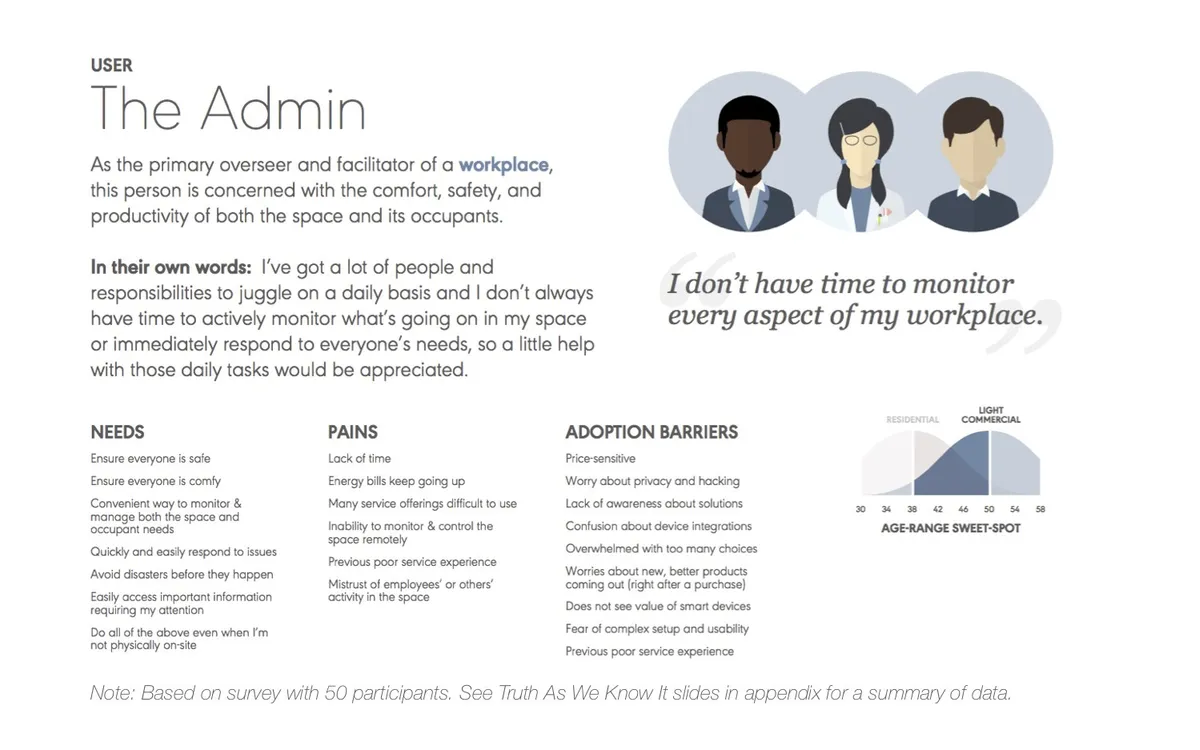
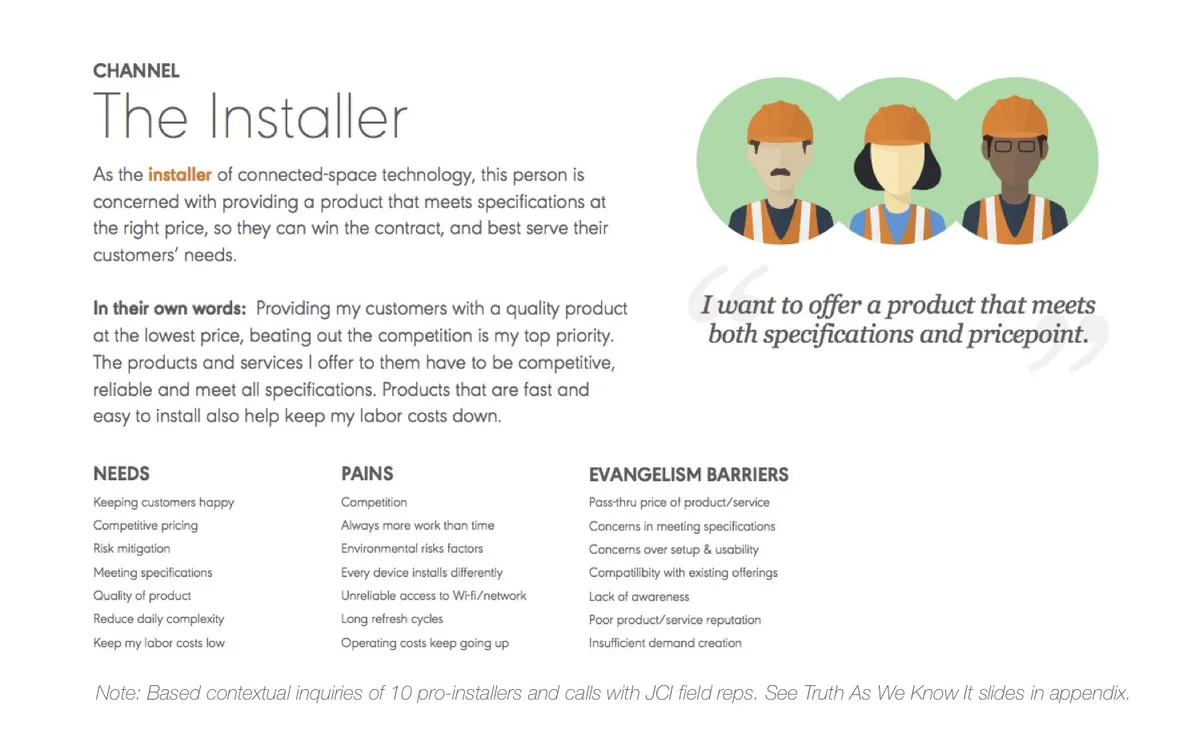
The first shift was the user. Commercial meant our primary user was no longer a homeowner but an onsite technician, with building administrators close behind. Through our sales channel we found early customers in New York who let us run alpha site visits and build those personas firsthand.
Mass configuration, in minutes
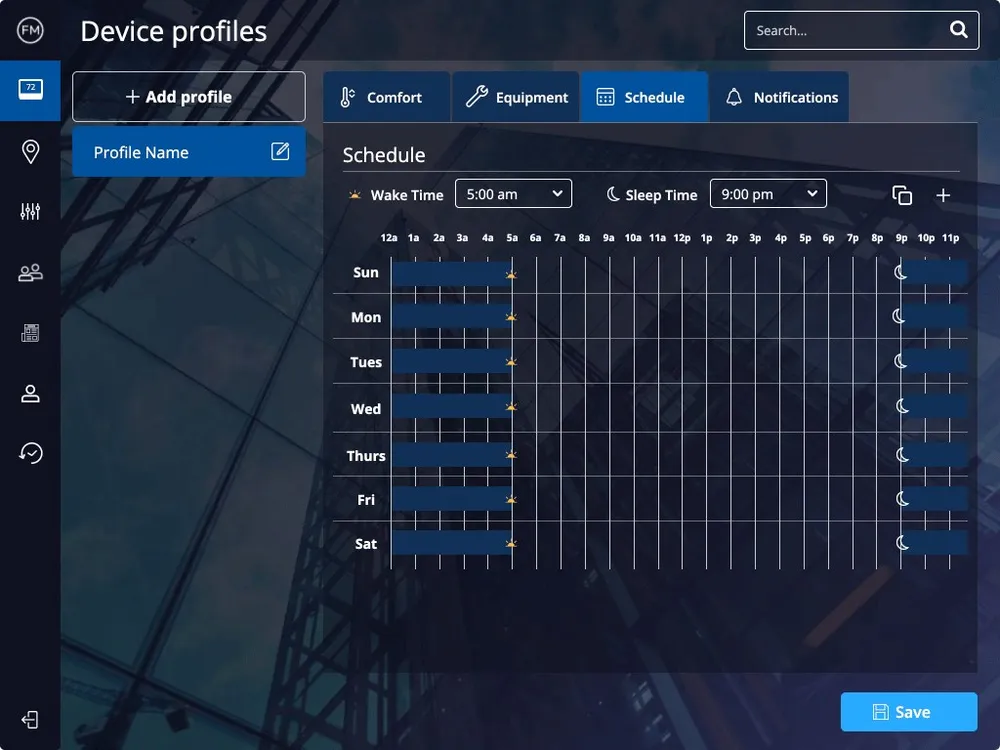
I brought UX, product owners, business analysts, and engineering together to test commissioning feasibility. We shaped a profile-based workflow: an administrator defines settings on iPad, then a technician applies them over Bluetooth while walking the building. This reduced a 10–15 minute manual task to under two minutes per device.
Monitoring hundreds of devices
Residential GLAS watched a handful of zones in one home; commercial meant a technician overseeing hundreds of units. That raised real questions — a genuine competitive edge (detecting, say, smoking in a unit) balanced against hard privacy limits on what a technician should ever be able to see.
From site visits to a build-ready prototype.
Our researcher and I built the personas from those New York site visits — the Admin and the Installer — alongside the cross-disciplinary workshop that shaped the commissioning flow.
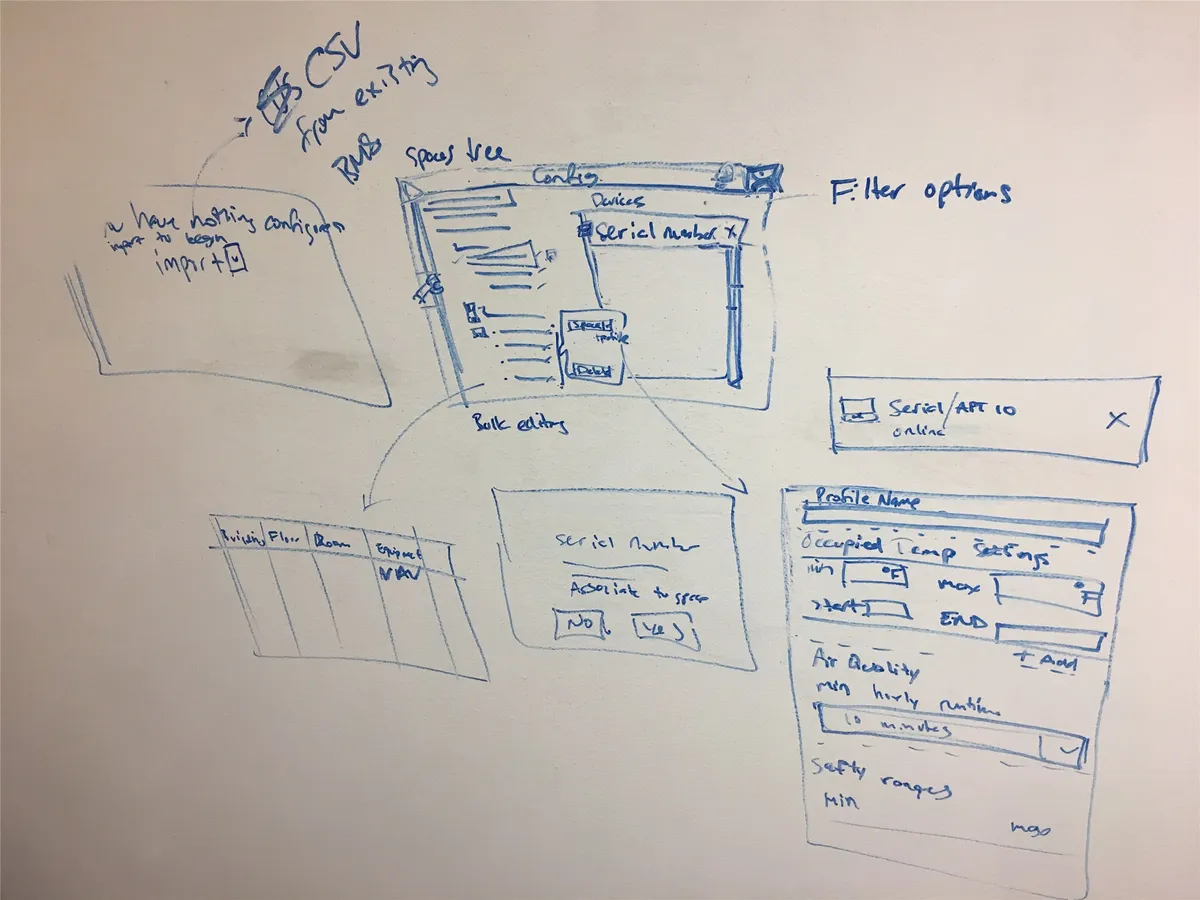
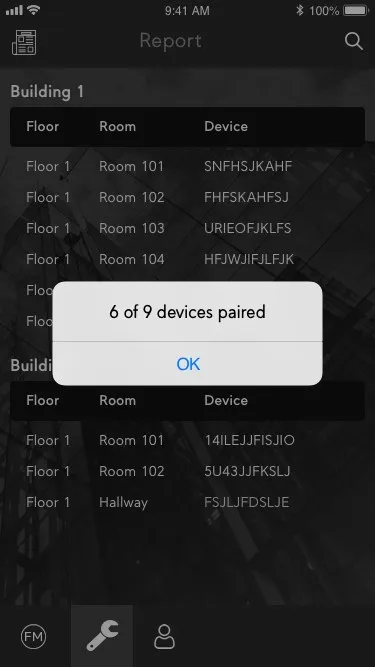
I started with wireframes for the mass-configuration process — administrators creating zone profiles, technicians pairing devices — optimized to keep both roles moving fast, then built an interactive Axure prototype for alpha testing.
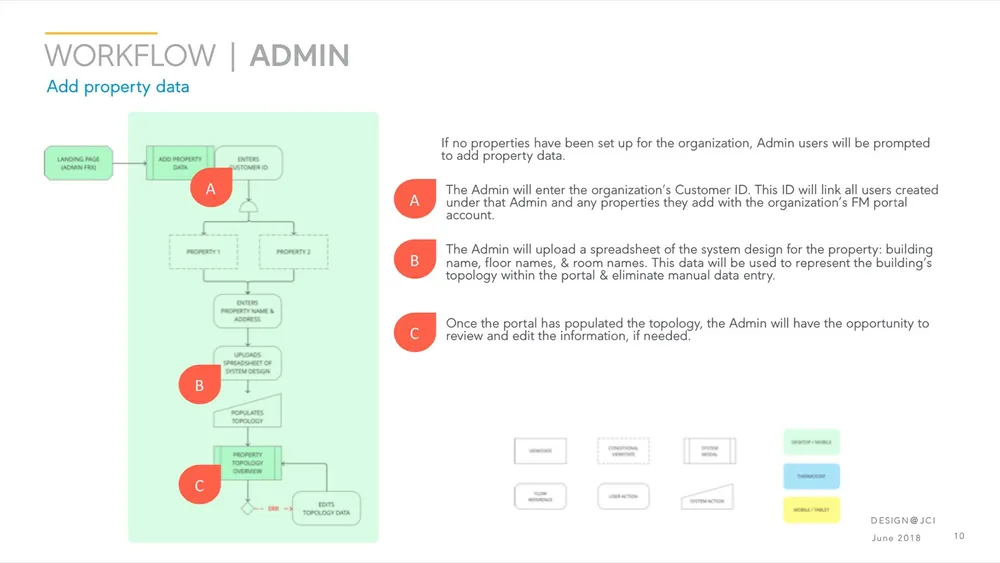
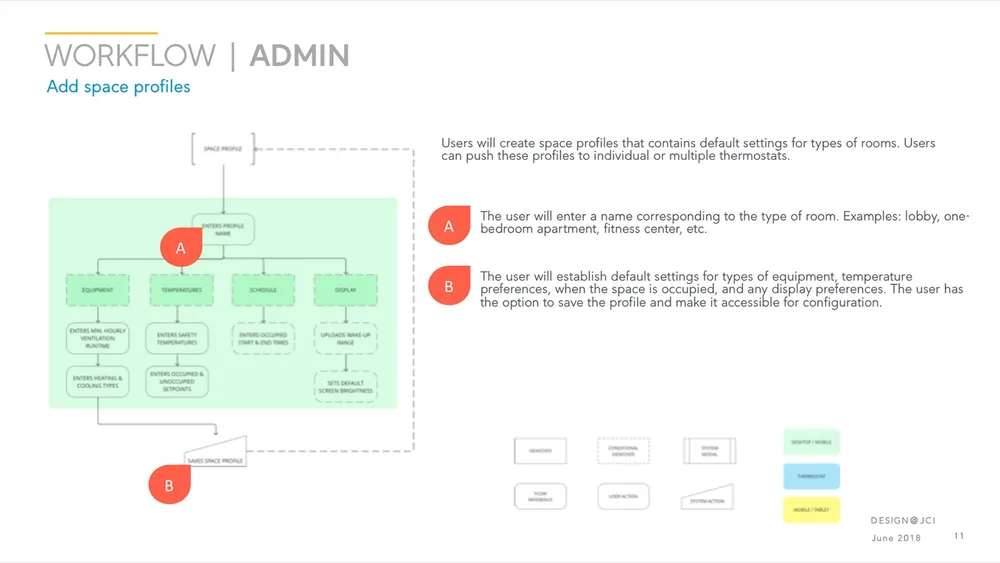
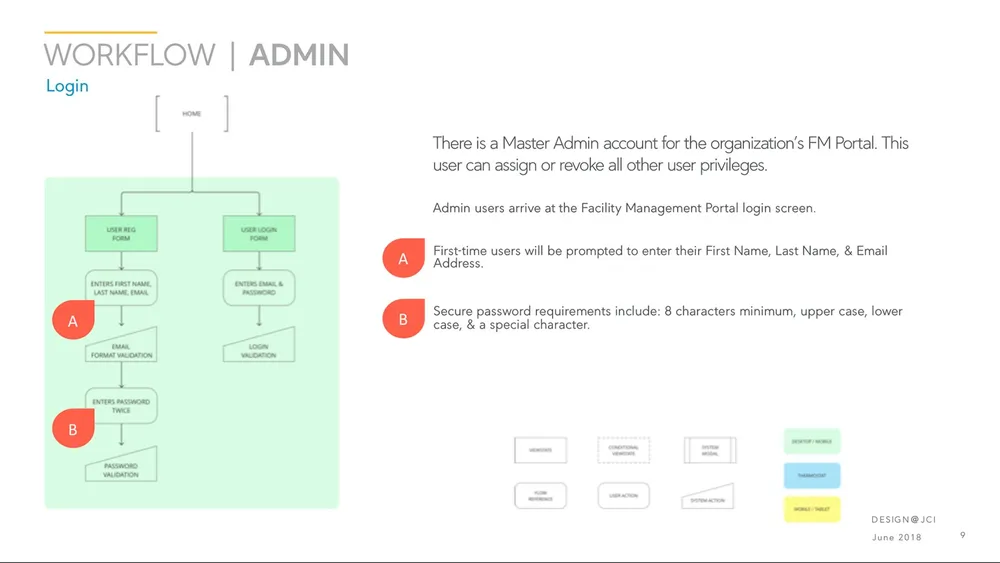
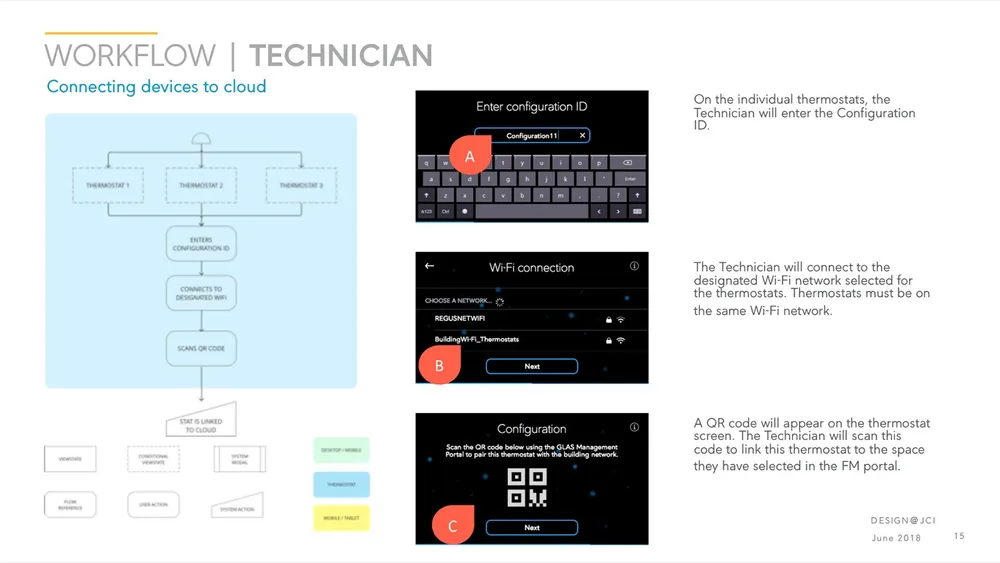
Alpha prototype — clhv25.axshare.com· pw P@ssword!
Customer feedback changed the device strategy. One shared iPad login did not fit the two roles, so commissioning moved to the technician’s mobile device while administrators kept profile setup on iPad. I carried that decision into the final interface, with a high-contrast visual system focused on operational data.
Supporting artifacts
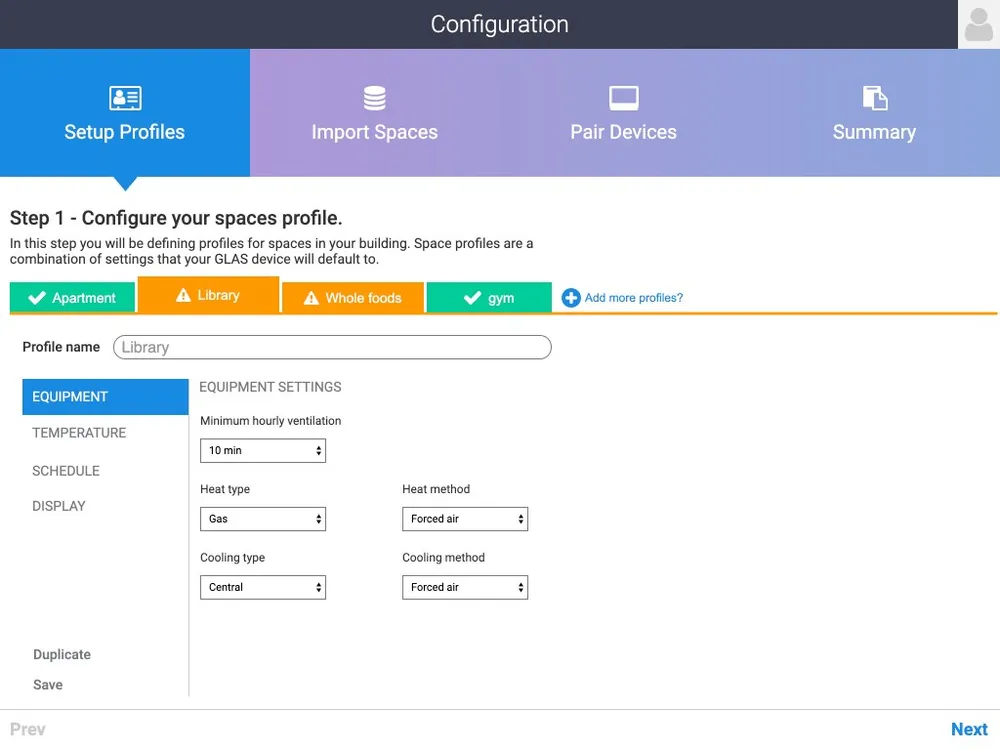
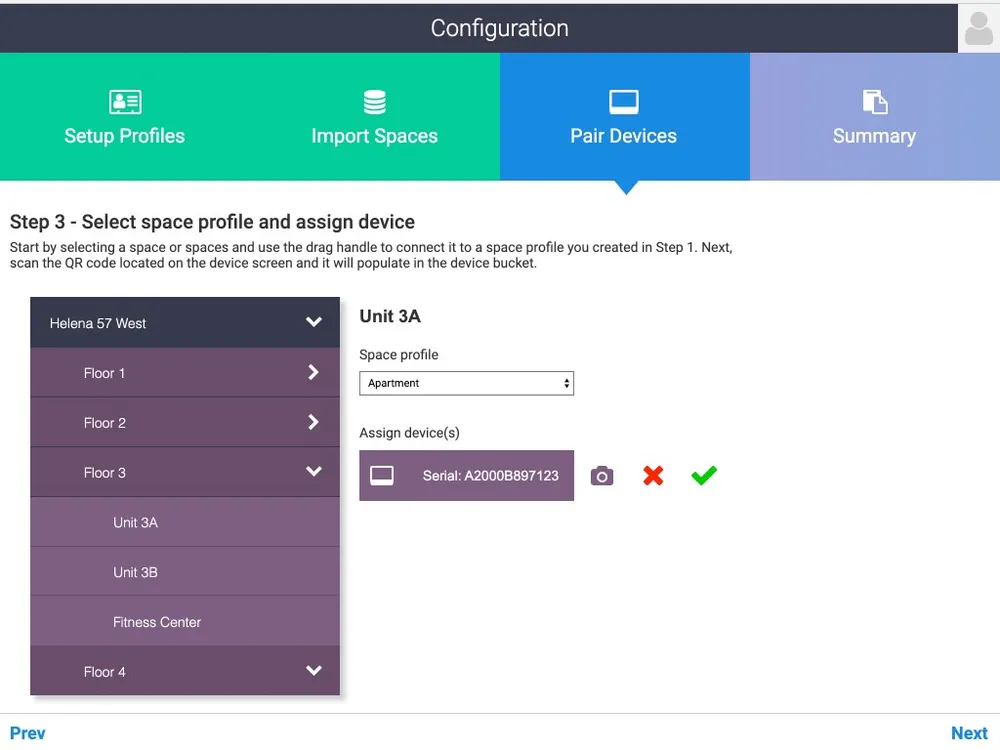
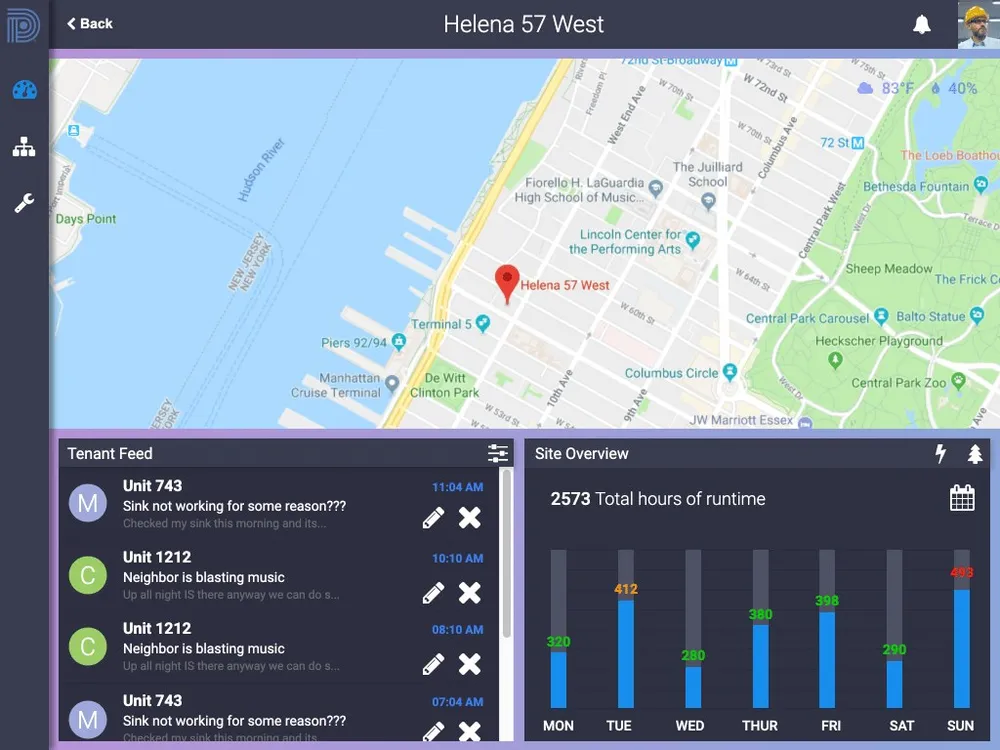
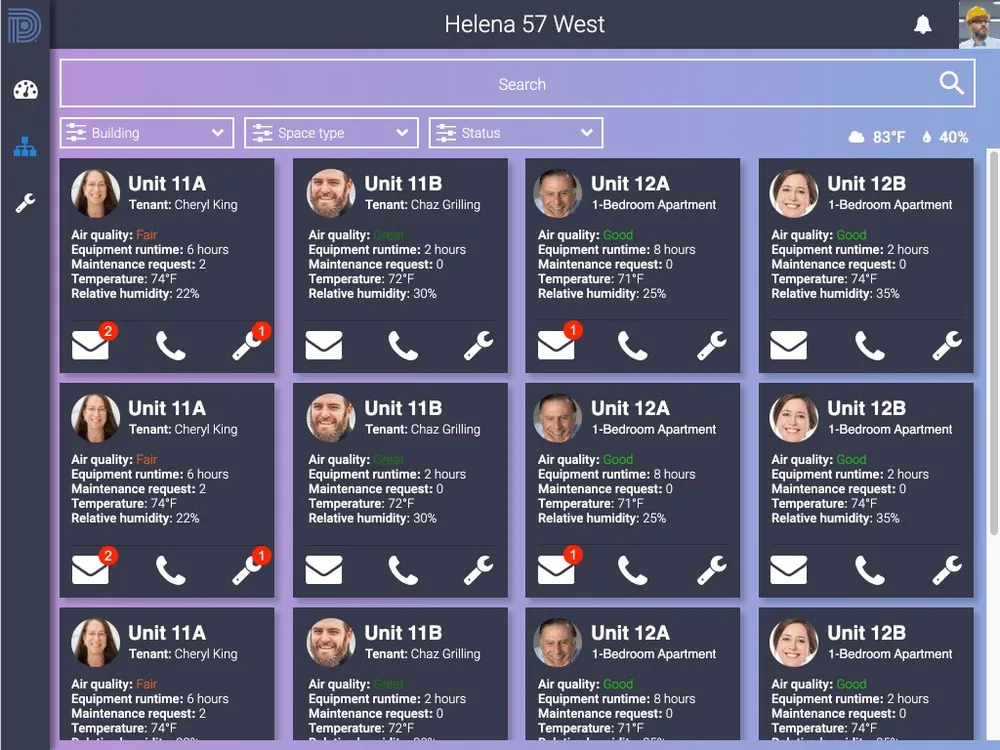
Supporting artifacts
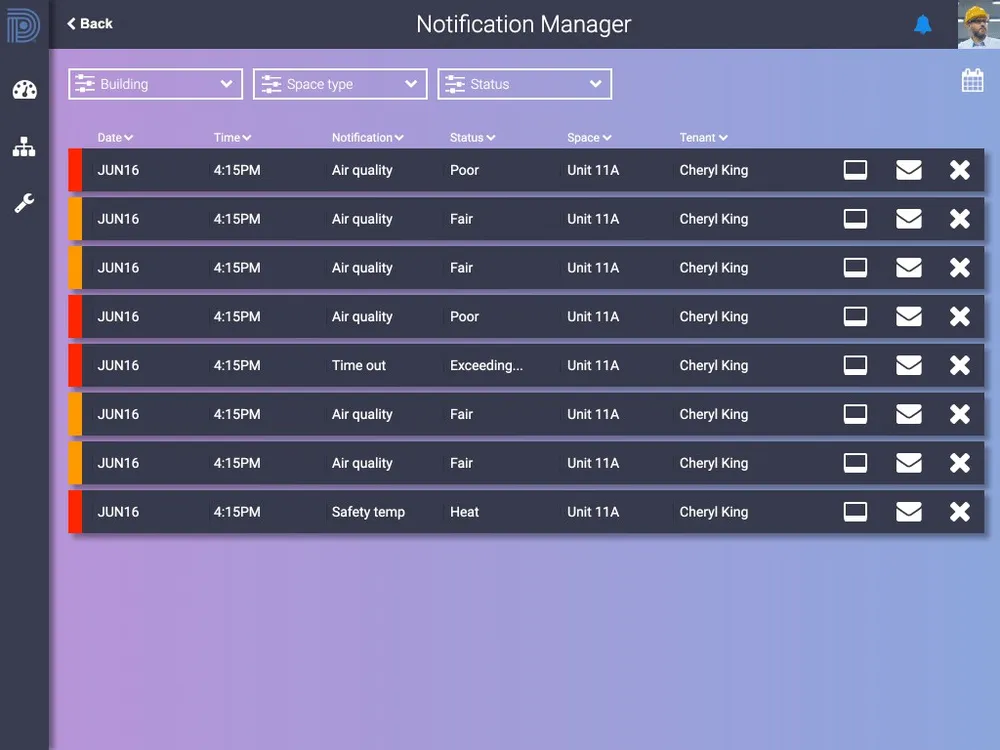
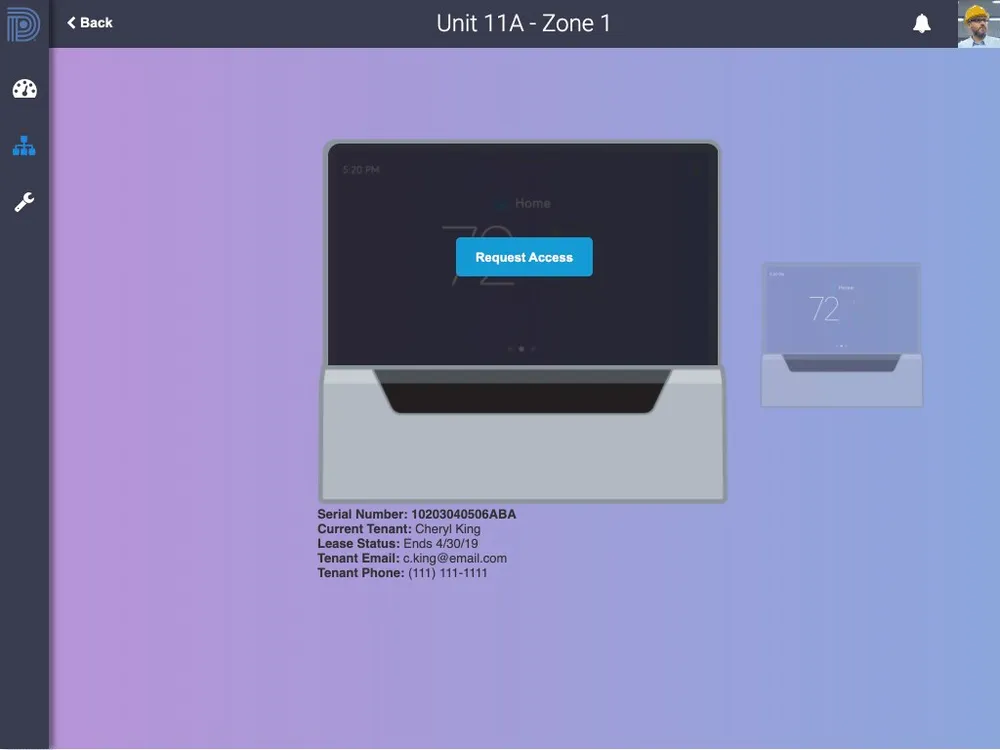
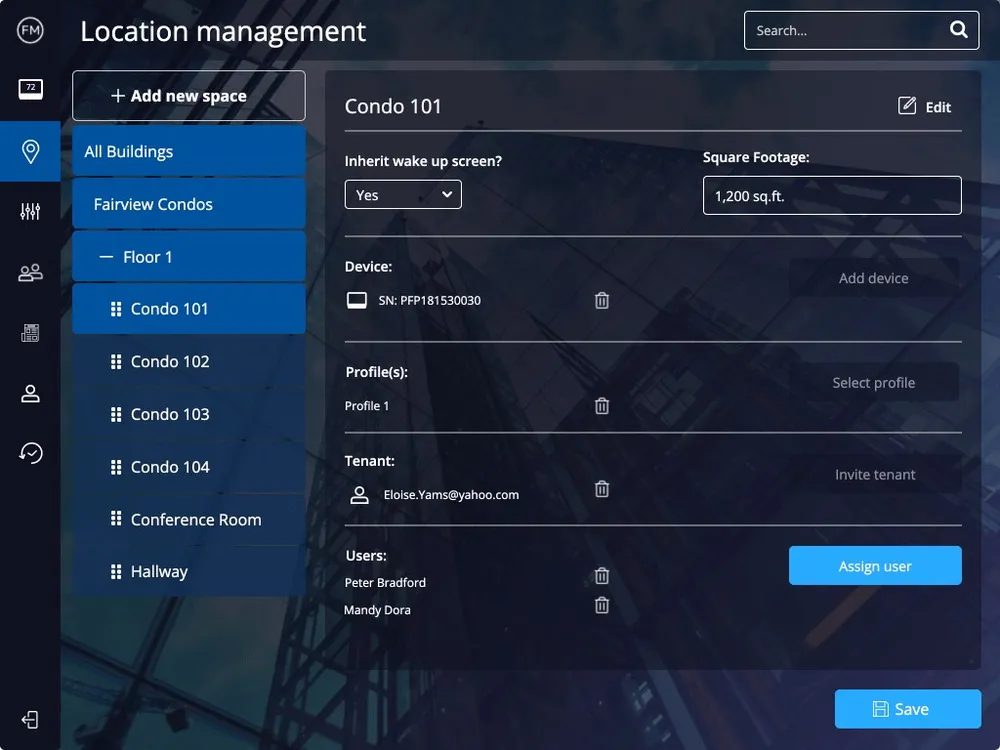
And the technician’s mobile app — a focused experience for pairing and servicing devices in the field:
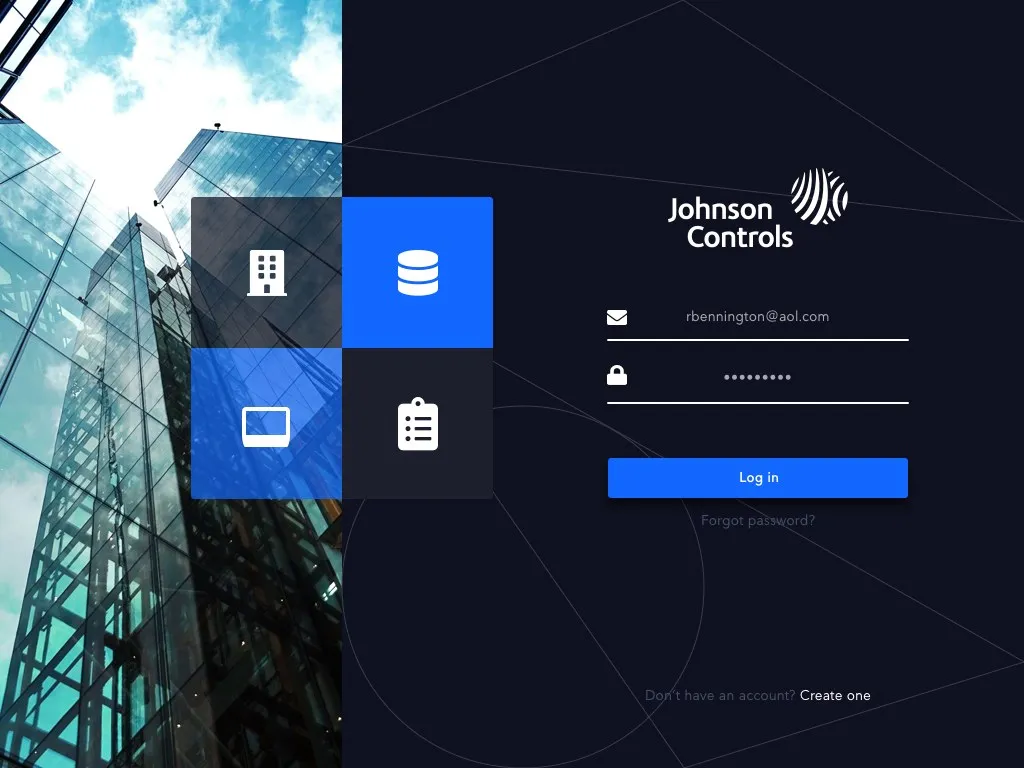
Supporting artifacts: Sign in
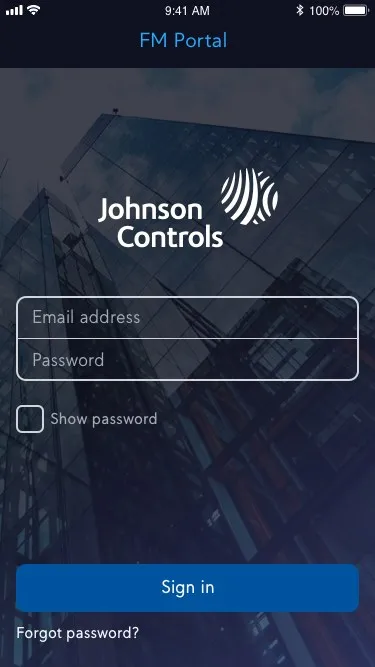
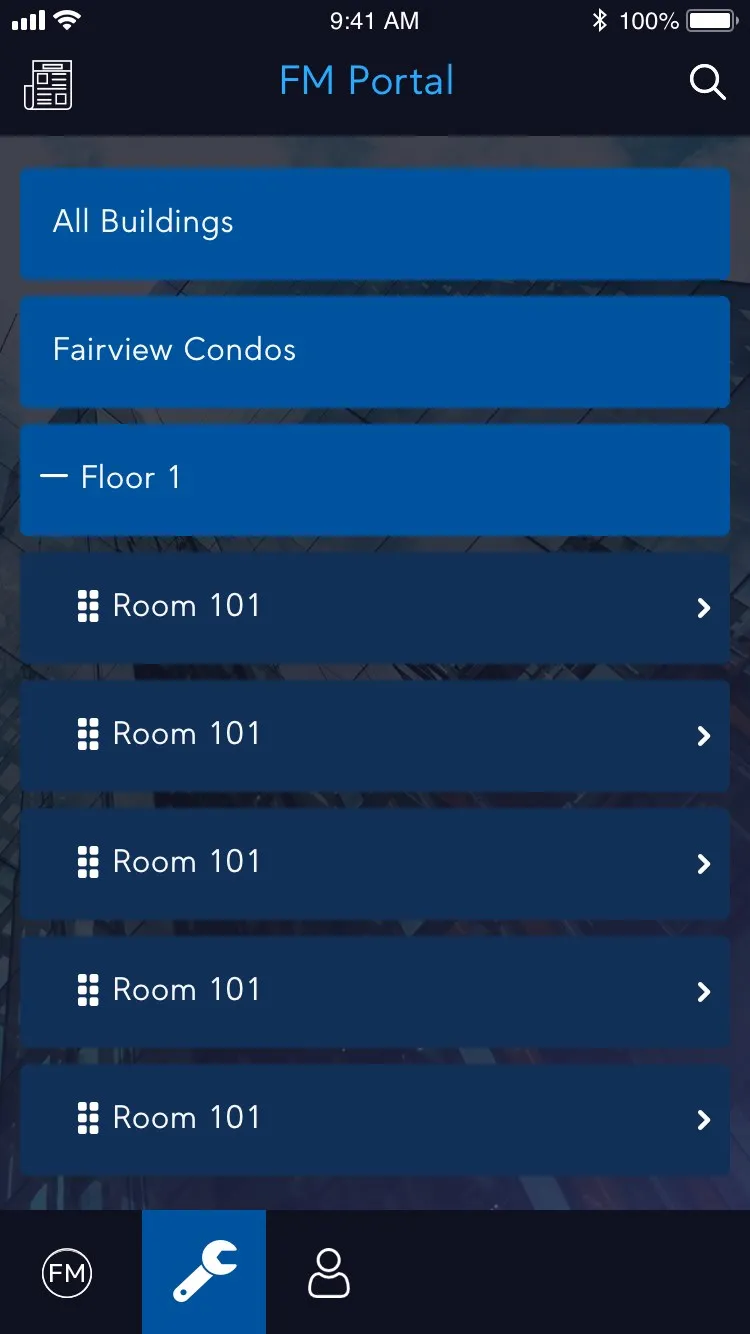
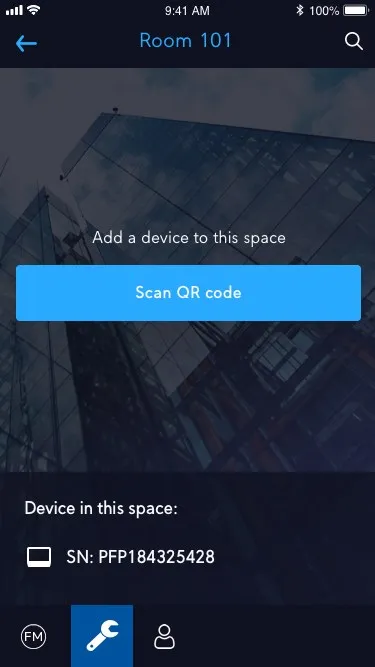
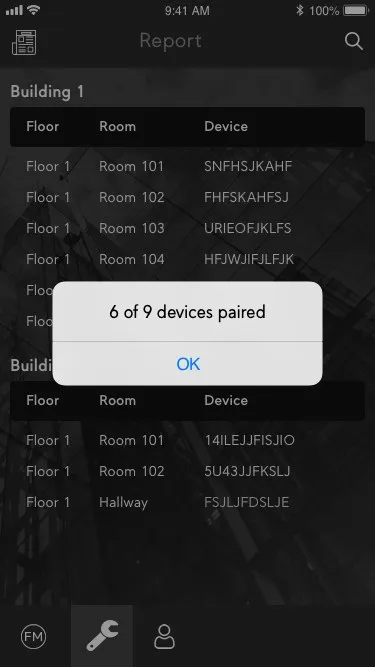
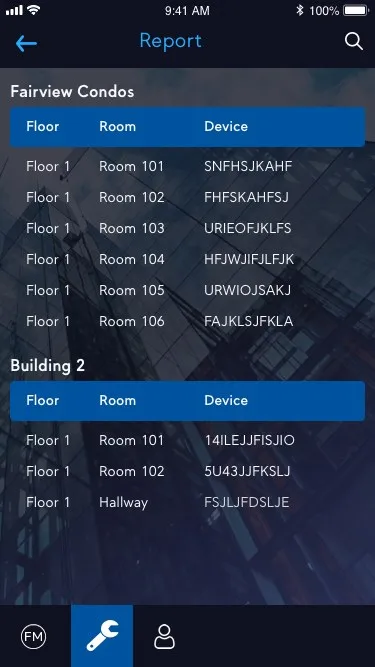
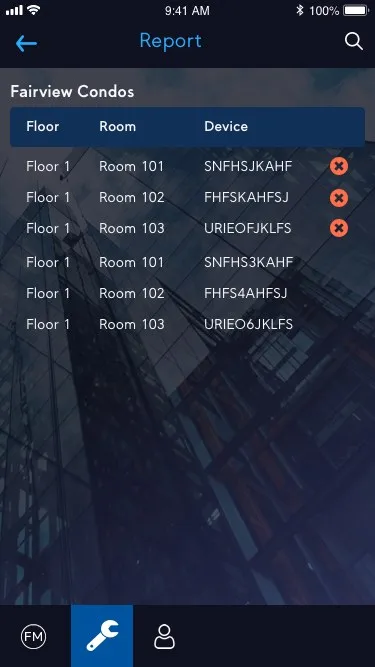
Compositions shipped to engineering as a high-fidelity clickable Axure prototype. A new Axure feature let developers pull CSS straight from the prototype — a big time-saver that removed the need for a separate style guide (we still handed off icon packs). The statement of work closed in February 2018.
One product family, from the living room to the mechanical room.
I delivered a complete, build-ready prototype to engineering. The commissioning workflow reduced a 10–15 minute manual task to under two minutes per device. My contribution was leading the research-to-design work and aligning disciplines around that workflow; the delivery milestone was engineering handoff.
In commercial HVAC, the UI has to be intuitive — in some cases that confusion could mean life or death.
— Alan Schwegler · UX Team Lead / Creative DirectorAlan Schwegler
UX Team Lead / Creative Director
Paul Nowak
UX Researcher
Kerry Bell
UX Designer
Kierstyn Robbins
UX Designer